James Ensor
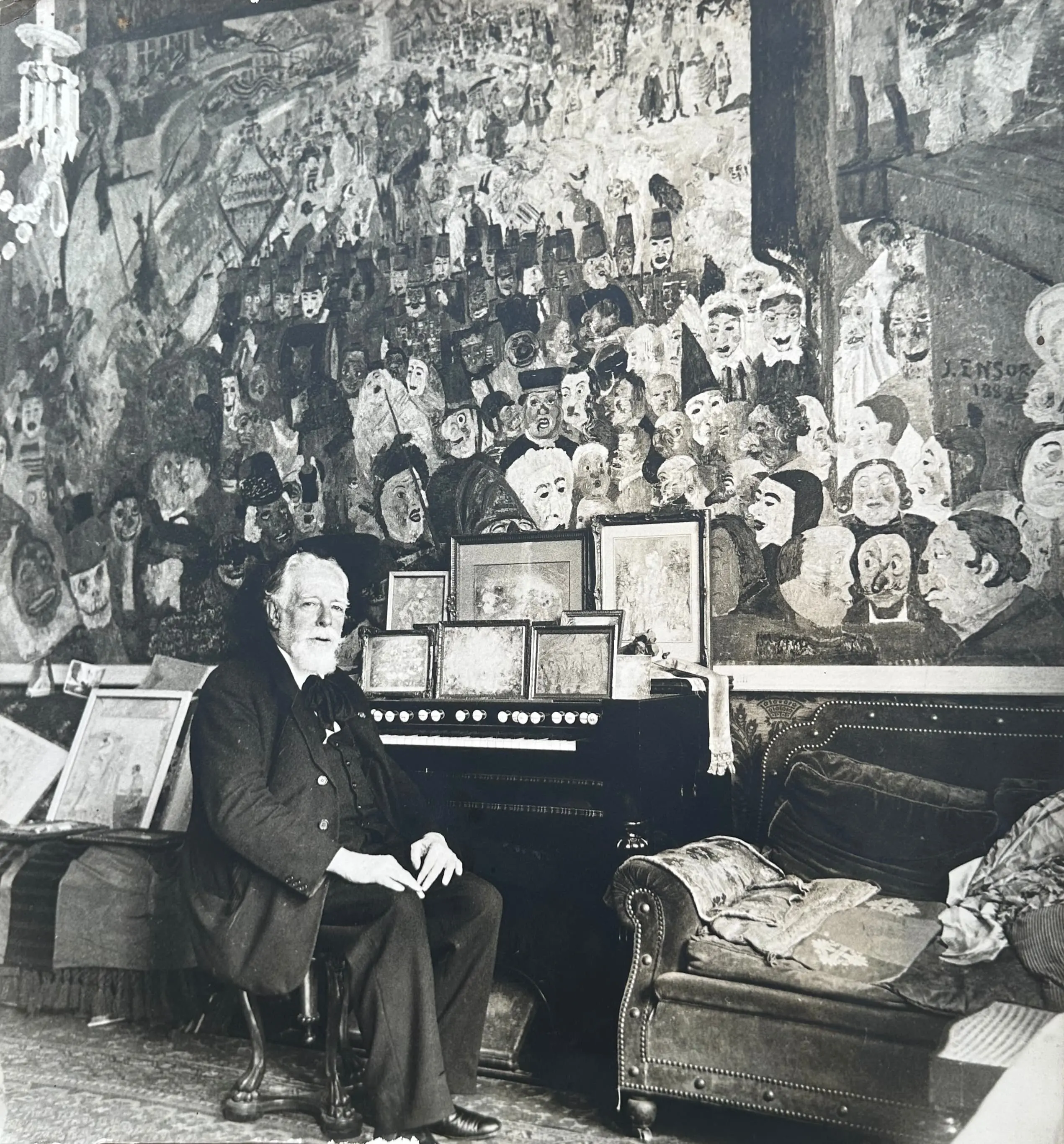
James Sidney Ensor (Ostend, April 13, 1860–November 19, 1949) was the son of an English father and a Belgian mother). He is considered one of the leading representatives of the late nineteenth century Belgian avant-garde, even though he pursued a highly individual path, placing him outside the vanguard.
Ensor had an ambiguous, even tumultuous, relationship with the various circles he moved in, such as the Académie Royale des Beaux-Arts in Brussels, which he denounced in a scathing satirical text entitled Three Weeks at the Academy (1884), or the Salon des Vingt (les XX), a new Belgian movement that was a hub of the European avant-garde between 1883 and 1893. He nevertheless participated in the development of this artistic group alongside Guillaume Vogels, Fernand Khnopff and Theo Van Rysselberghe, among others.
While often in Brussels, from 1877 to 1893, his relationships with the painter and poet Théo Hannon and the Rousseau family brought him into close contact with the Université libre de Bruxelles and the city’s progressive, liberal scene. It was here that the seeds of his anarchist convictions, which echoed around Europe at that time, were sown. With the Rousseau family, the artist organized numerous comedies and playlets, whose carnival costumes had a great influence on him, as did Brussels’ own zwanze style of humour.
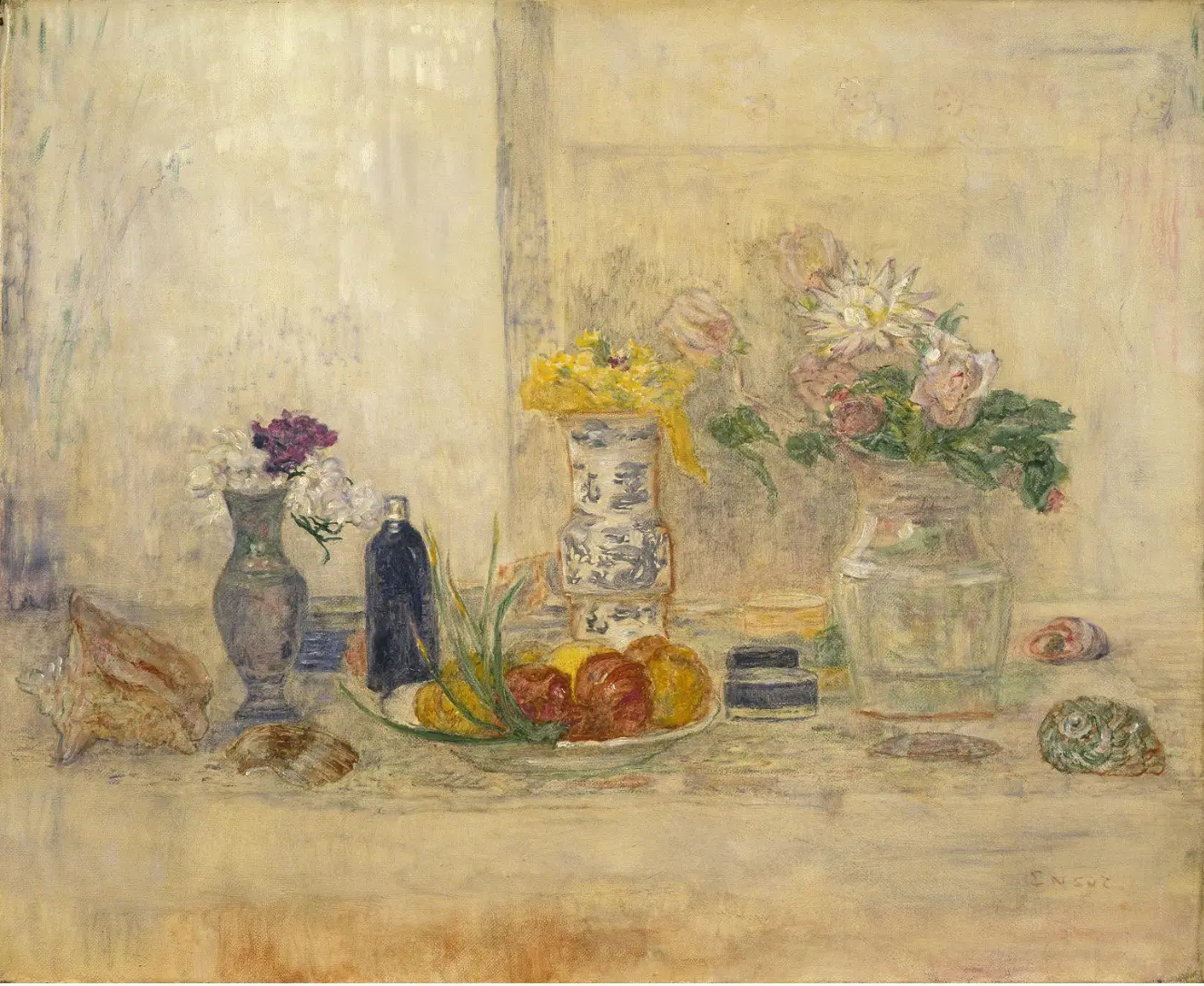
Trained in the Belgian realist tradition, Ensor started his career by painting traditional subjects such as seascapes, interiors, portraits, and still lifes. This exercise in style allowed him to develop a painting technique characterized by light, giving rise to a more spontaneous and less restrained artistic expression.
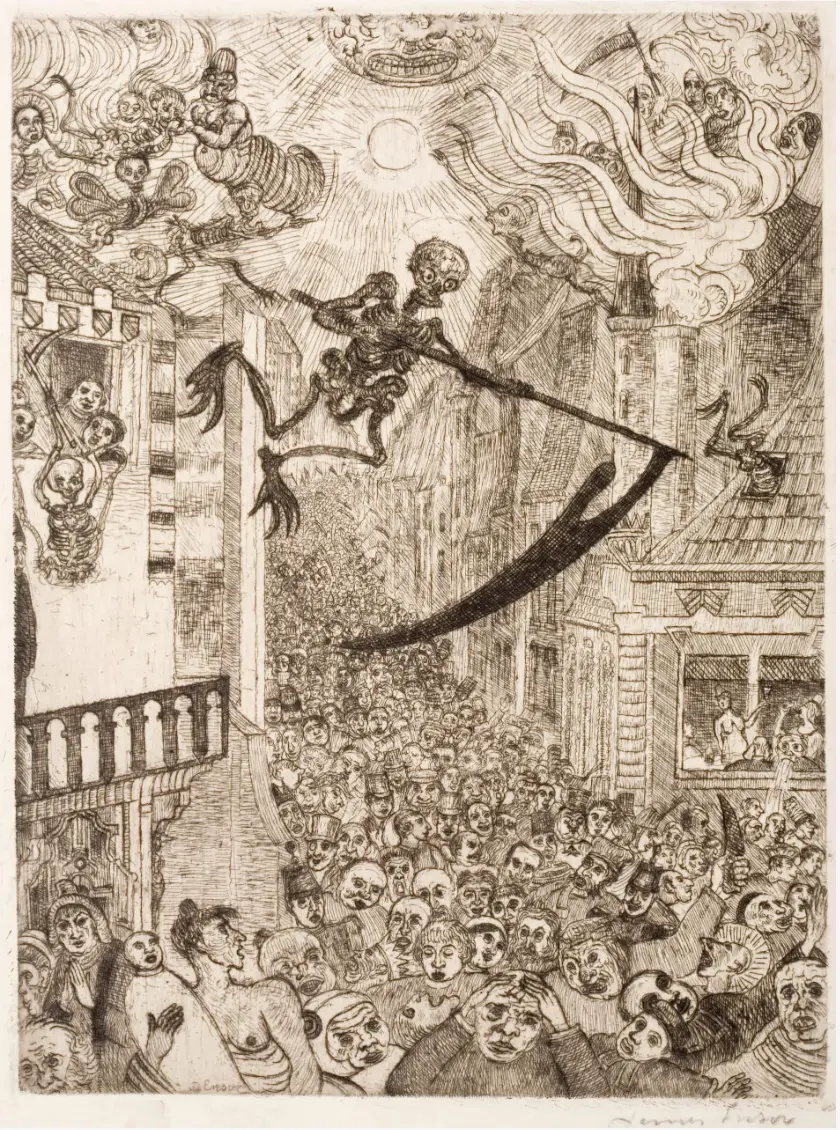
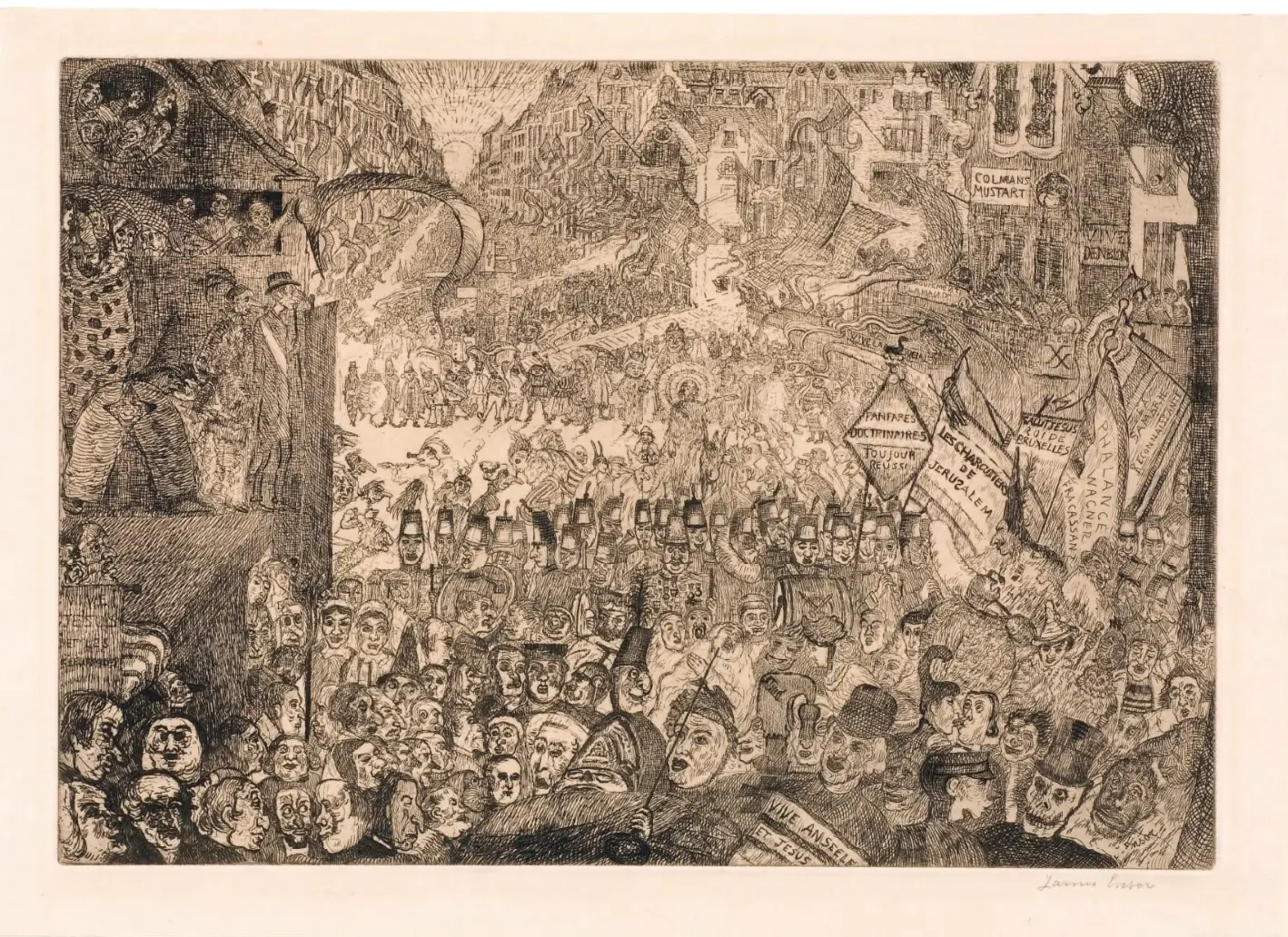
Between 1885 and 1888, Ensor‘s attention went chiefly to drawing and etching. Under the influence of Rembrandt, Redon, Goya, Japanese woodcuts, Brueghelian images and contemporary spoofs, Ensor developed a highly personal iconography and technique. He rejected French Impressionism and lent himself to the expressive qualities of light, line, colour, the grotesque and macabre motifs such as carnival masks and skeletons together with human behavior and crowd movements which he rendered in massive tableaux such as in the series The Aureoles of Christ or The Sensibilities of Light (1885-1886).
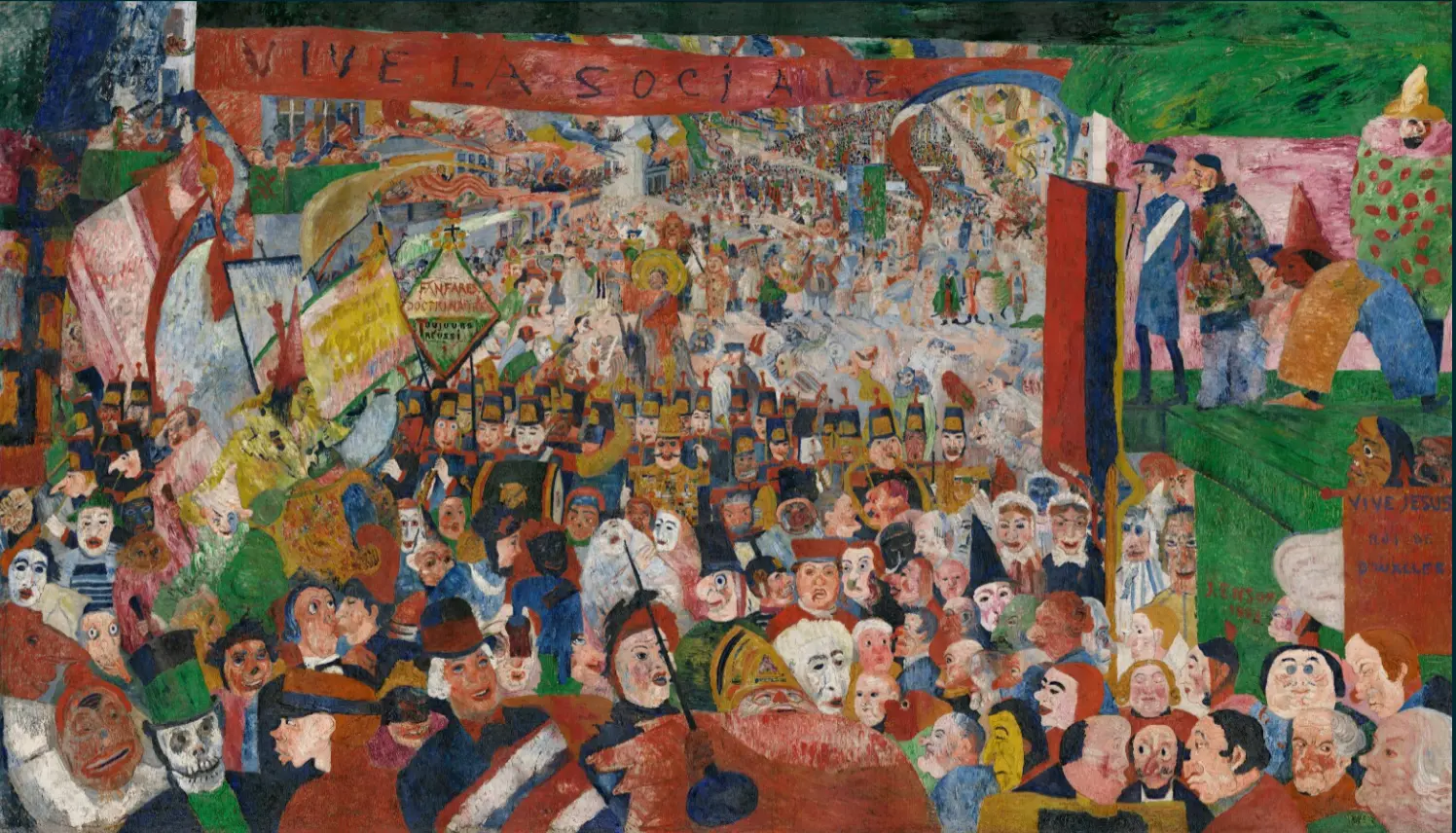
These grotesque metamorphoses culminate in Ensor‘s most well-known and monumental painting: The Entry of Christ into Brussels (1888-1889, oil on canvas, Los Angeles, J. Paul Getty Museum).
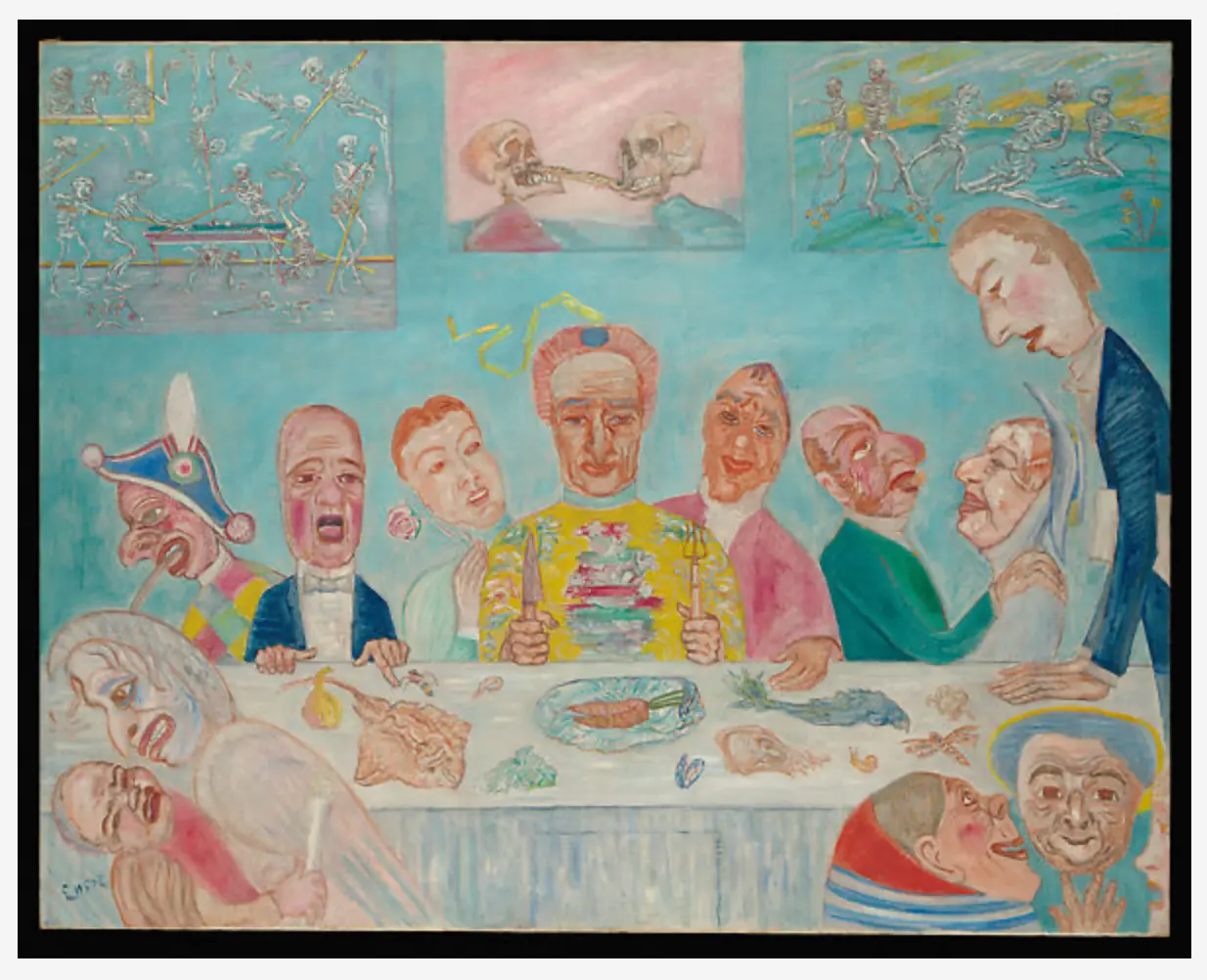
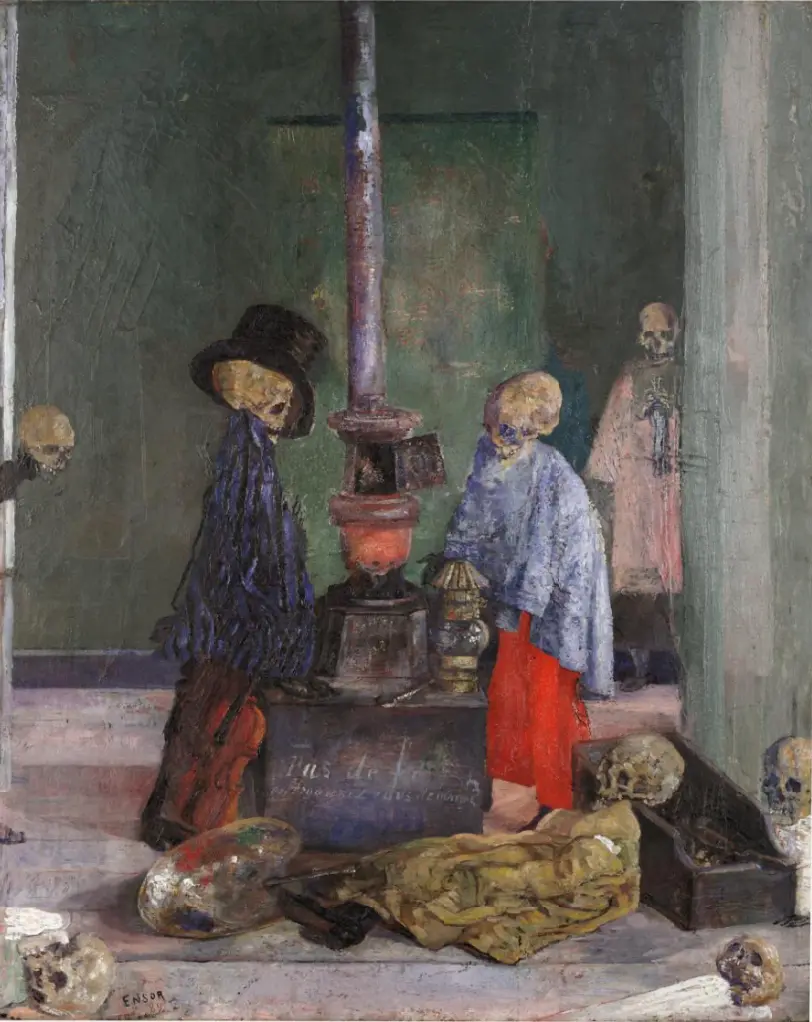
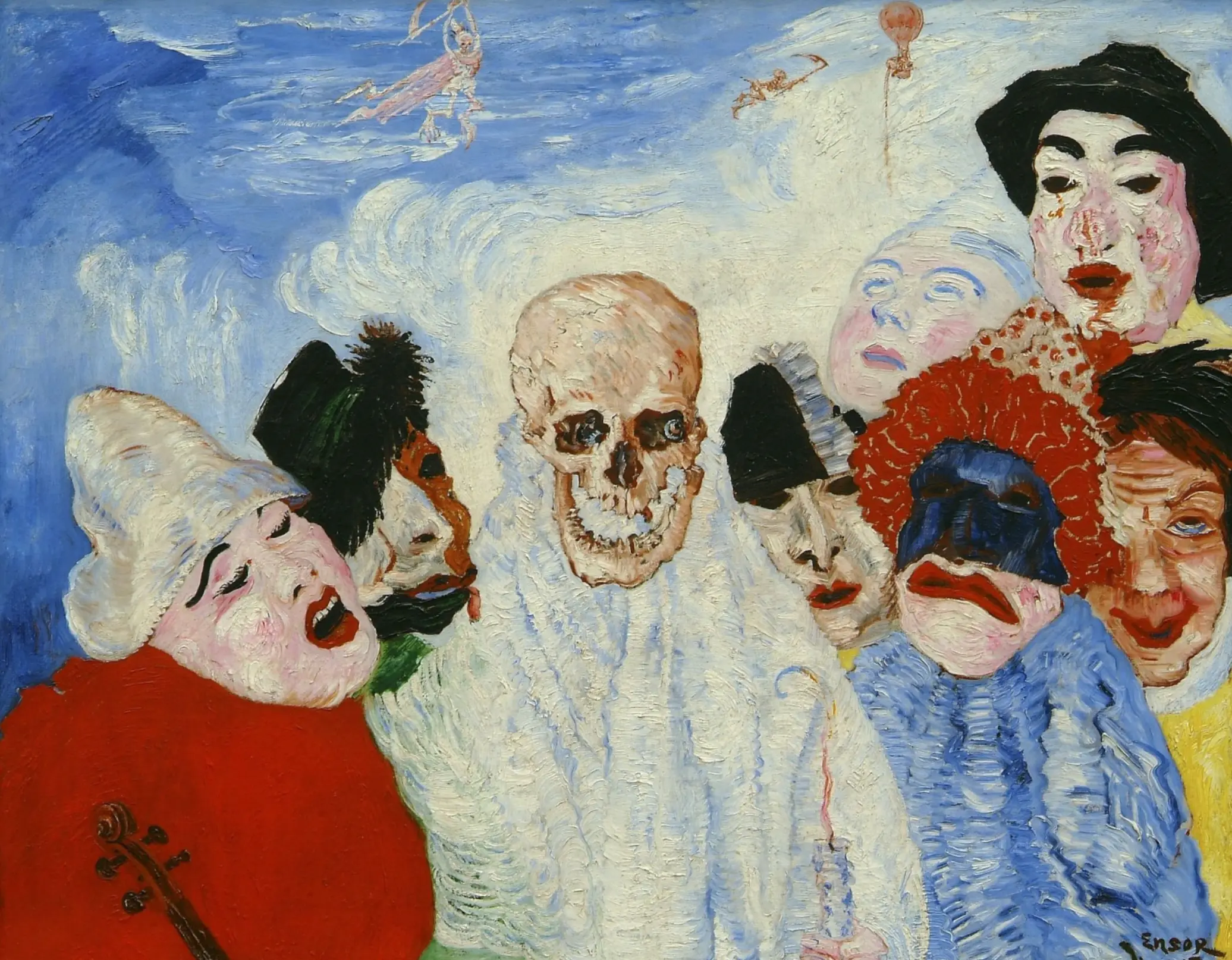
On the pictorial side, this period saw the emergence of his more fantastical works, such as Adam and Eve Expelled from Paradise (1887, oil on canvas, Antwerp, KMSKA) as well as the mask motif, which parodies human society in Masks Confronting Death (1888, oil on canvas, New York, MoMA).
At the end of 1898 Ensor exhibited for the first time in Paris, at the Salon des Cent. On this occasion, he showed primarily prints and drawings; yet despite positive reviews from critics, his work was not as popular with audiences as expected.
The beginning of the twentieth century marked a turning point in Ensor’s career, as he began to achieve international recognition: in 1910, retrospectives of his work were held in Rotterdam and Antwerp; he was made a baron in 1929; and in the same year the Palais des Beaux-Arts in Brussels devoted a retrospective to his art.
At the time of his death he was considered the “prince of painters.”
Ensor’s work is held in major collections including the Royal Museum of Fine Arts Belgium, Brussels, Belgium; the Royal Museum of Fine Arts Antwerp (KMSKA), Antwerp, Belgium; the Museum of Modern Art (MoMA), New York, USA; the J. Paul Getty Museum, Los Angeles, USA; the Art Institute of Chicago, USA; the Musée d’Orsay, Paris, France; the Metropolitan Museum of Art, New York, USA; Folkwang Museum, Essen, Germany; Kunsthalle Mannheim, Germany; and the Neue Pinakothek, Munchen, Germany; among many others.
Ensor has been the subject of many exhibitions at institutions including the Museum of Modern Art, New York, USA; Musée d’Orsay, Paris, France; Kunsthaus Zürich, Switzerland; the Royal Academy of Arts, London, UK; Bozar, Brussels, Belgium; the Royal Museum of Fine Arts Antwerp (KMSKA), Antwerp, Belgium; and the Schirn Kunsthalle Frankfurt, Germany; among others.
Exhibitions
James Ensor / Calvin Marcus
Rodder, New York, NY
November 4, 2026–January 23, 2027

In your wildest dreams. Ensor beyond impressionism
Koninklijk Museum voor Schone Kunsten Antwerpen, Antwerp, Belgium
September 24, 2026–January 19, 2025
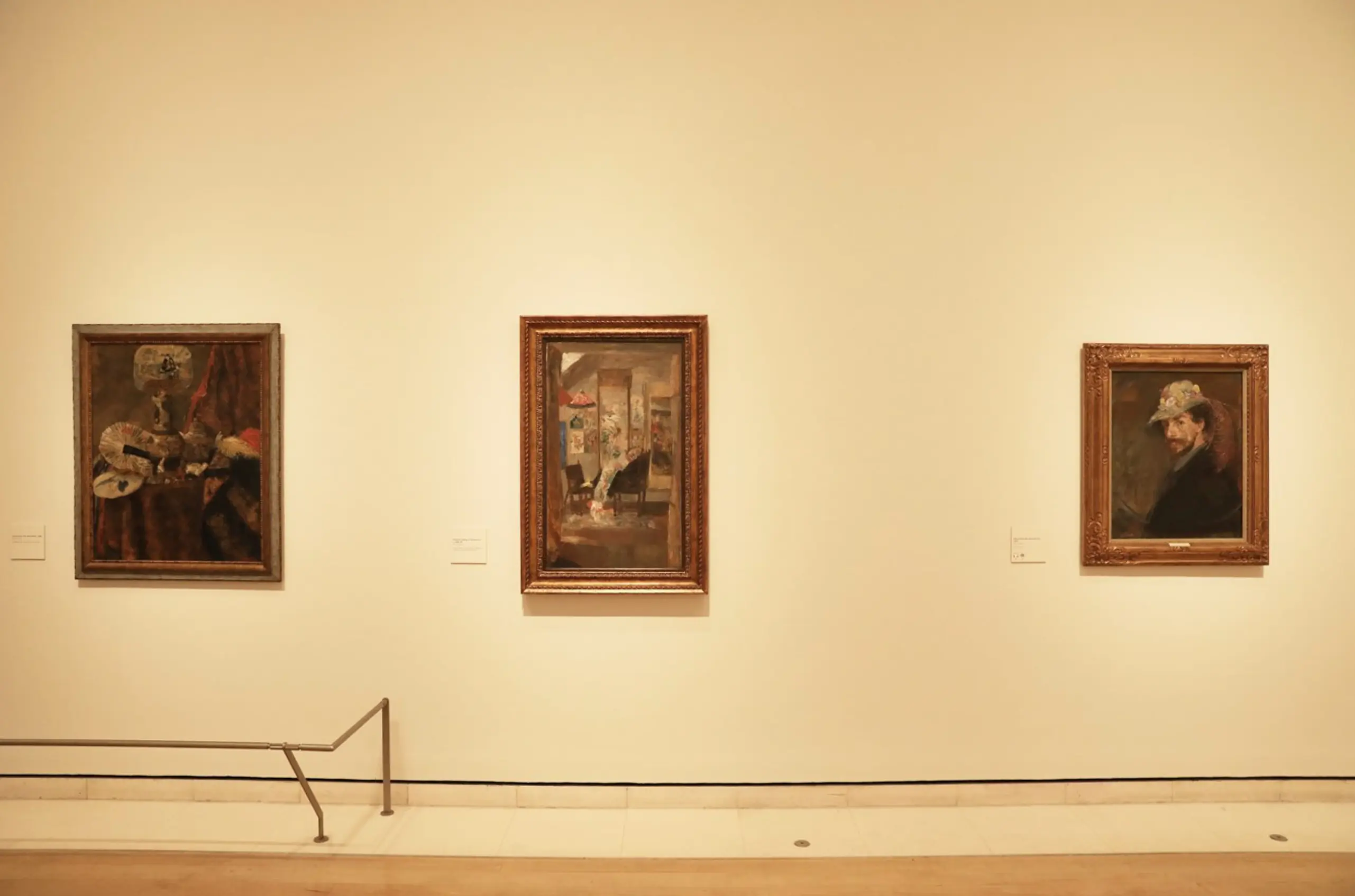
Intrigue: James Ensor by Luc Tuymans
Royal Academy of Arts, London, United Kingdom
October 29, 2016–January 29, 2017
James Ensor
Musée d'Orsay, Paris, France
October 20, 2009–February 4, 2010
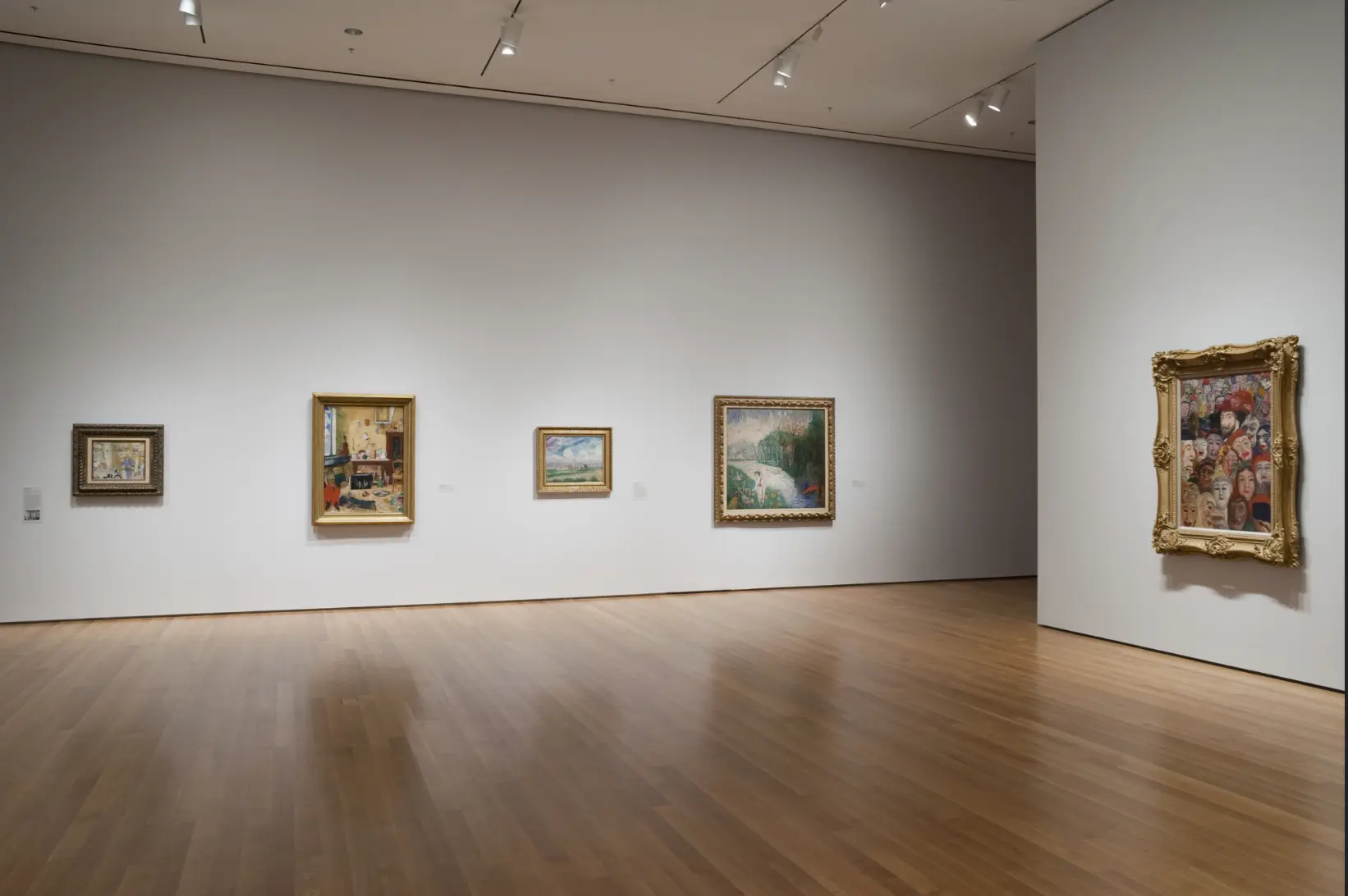
James Ensor
MoMa, New York, NY
June 28, 2009–September 21, 2009
Selected Works